




 Send Inquiry
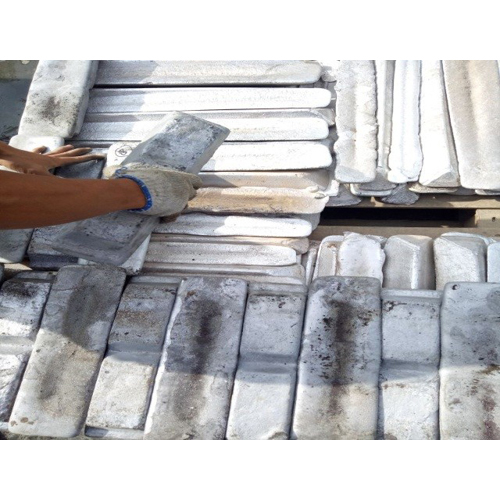
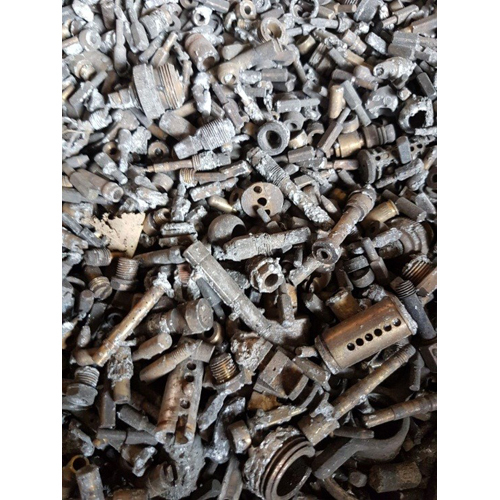
Nickel Catalyst
Nickel Catalyst Specification
- Grade
- Industrial/Technical Grade
- Application
- Hydrogenation, Dehydrogenation reactions, Chemical Synthesis
- Physical Form
- Solid
- Melting Point
- 1455C
- Storage
- Store in a dry, cool and well-ventilated area, away from acids and oxidizing agents
- Taste
- Odorless
- HS Code
- 2852
- Other Names
- Nickel Hydrogenation Catalyst
- Usage
- Used as catalyst in chemical, pharmaceutical and edible oil industries
- Ph Level
- N/A (Insoluble in water)
- Boiling point
- 2730C
- Shape
- Granular/Pellet
- Molecular Weight
- 58.69 g/mol
- Appearance
- Granular or Powder
- Smell
- Odorless
- Poisonous
- Yes, Toxic if swallowed or inhaled
- Density
- 8.908 Gram per cubic centimeter(g/cm3)
- Structural Formula
- Ni
- Shelf Life
- 2 Years
- Molecular Formula
- Ni
- Classification
- Catalyst
- Chemical Name
- Nickel Catalyst
- CAS No
- 7440-02-0
- Type
- Industrial Catalyst
- Purity(%)
- 98% Min.
- EINECS No
- 231-111-4
- Color
- Grey to Black
- Operating System
- Android
- Sleep Timer
- Yes
- Smart TV Features
- Built-in WiFi, Screen Mirroring
- Remote Battery Type
- AAA
- Refresh Rate
- 60 Hz
- USB Ports
- 2
- Viewing Angle
- 178
Nickel Catalyst Trade Information
- Sample Available
- Yes
- Main Export Market(s)
- Middle East, Western Europe, Central America, Africa, South America, Asia, Eastern Europe, North America
- Main Domestic Market
- All India
About Nickel Catalyst
Nickel Catalyst offered by us is absolutely non toxic, free from adulteration, precisely formulated and has excellent performance life. The offered product is acknowledged for ability to enhance catalyst life and preventing prolonging regeneration cycle, due to which, widely demanded in industry like pharmaceuticals, chemical, electroplating etc. Also, it is great for endogas generators, which is extensively utilized for Liquid Petroleum Gas cracking at lowest feasible temperature. In addition, the Nickel Catalyst can be availed in different types, grades and specifications.
Versatile Industrial Applications
Nickel Catalyst serves as a valuable component in hydrogenation and dehydrogenation reactions, as well as in chemical synthesis, benefiting industries such as pharmaceuticals, chemicals, and edible oil processing. Its reliable catalytic activity enhances process efficiency and product yield in various manufacturing sectors.
Safe Handling and Storage
Due to its toxic nature, Nickel Catalyst should be handled with care to prevent inhalation and skin contact. It should be stored in sealed containers in a cool, dry, and well-ventilated area, isolated from acids and oxidizing agents. Proper handling safeguards ensure optimal product performance and longevity.
FAQs of Nickel Catalyst:
Q: How should Nickel Catalyst be activated before use?
A: Nickel Catalyst requires activation prior to its use, commonly achieved by exposing the catalyst to hydrogen gas under controlled conditions. This step is crucial for maximizing its catalytic efficiency in hydrogenation and dehydrogenation reactions.Q: What are the primary uses of Nickel Catalyst in industry?
A: Nickel Catalyst is primarily utilized as a catalyst in hydrogenation, dehydrogenation, and chemical synthesis processes. It is widely adopted in the chemical, pharmaceutical, and edible oil industries to facilitate key reactions and improve product throughput.Q: When is it necessary to replace or regenerate Nickel Catalyst?
A: Nickel Catalyst should be replaced or regenerated when its activity noticeably declines. The shelf life is up to two years under proper storage, but factors like reaction duration, contaminants, or fouling within processes may necessitate more frequent changes.Q: Where should Nickel Catalyst be stored for optimal stability?
A: This catalyst should be stored in a dry, cool, and well-ventilated area, away from acids, moisture, and oxidizing agents. Proper storage helps maintain its stability and effectiveness throughout its two-year shelf life.Q: What safety precautions should be observed while handling Nickel Catalyst?
A: As Nickel Catalyst is toxic by inhalation and ingestion, personal protective equipment like gloves, masks, and goggles should be used. Avoid direct skin or respiratory exposure, and handle only in well-ventilated areas or under appropriate engineering controls.Q: How is Nickel Catalyst supplied and packaged?
A: Nickel Catalyst is typically supplied in 25 kg drums but can be packaged according to specific customer requirements. Packaging helps maintain product integrity during transportation and storage.Q: What benefits does Nickel Catalyst provide in chemical processes?
A: Nickel Catalyst offers high catalytic efficiency, durability, and selectivity, promoting faster reaction rates and higher yields in chemical manufacturing. Its versatility helps streamline various processes across multiple industrial sectors.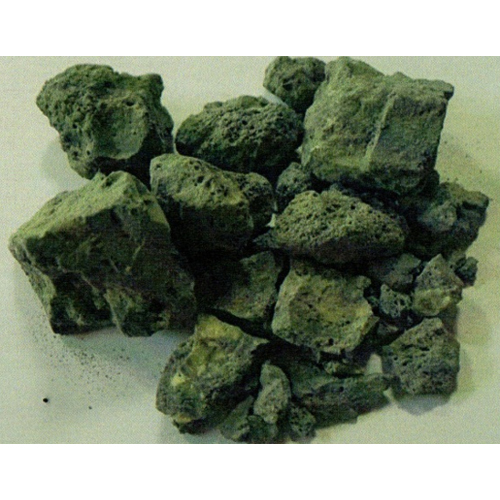
Tell us about your requirement

Price:
Quantity
Select Unit
- 50
- 100
- 200
- 250
- 500
- 1000+
Additional detail
Mobile number
Email


Quick Inquiry

Contact Details
PT. SINAR LAUT BIRU LOGAM PERKASA JAYA
Jl. Cibeunteur No.25 Kp, Cukanggalih Rt.01 Rw 04, Ds. Cukanggalih Kec. Curug Kab, Tangerang, Jakarta - 10110, Indonesia
Phone :62-21-29135153
 Send Inquiry
 |
PT. SINAR LAUT BIRU LOGAM PERKASA JAYA
All Rights Reserved.(Terms of Use) Developed and Managed by Infocom Network Private Limited. |
